Making an Integrated Circuit
By John C. Bean - WeCanFigureThisOut.org
Listen to a podcast, please open Podcast Republic app. Available on Google Play Store and Apple App Store.
Category: Technology
Open in Apple Podcasts
Open RSS feed
Open Website
Rate for this podcast
Subscribers: 1
Reviews: 0
Episodes: 18


Description
| Episode | Date |
|---|---|
|
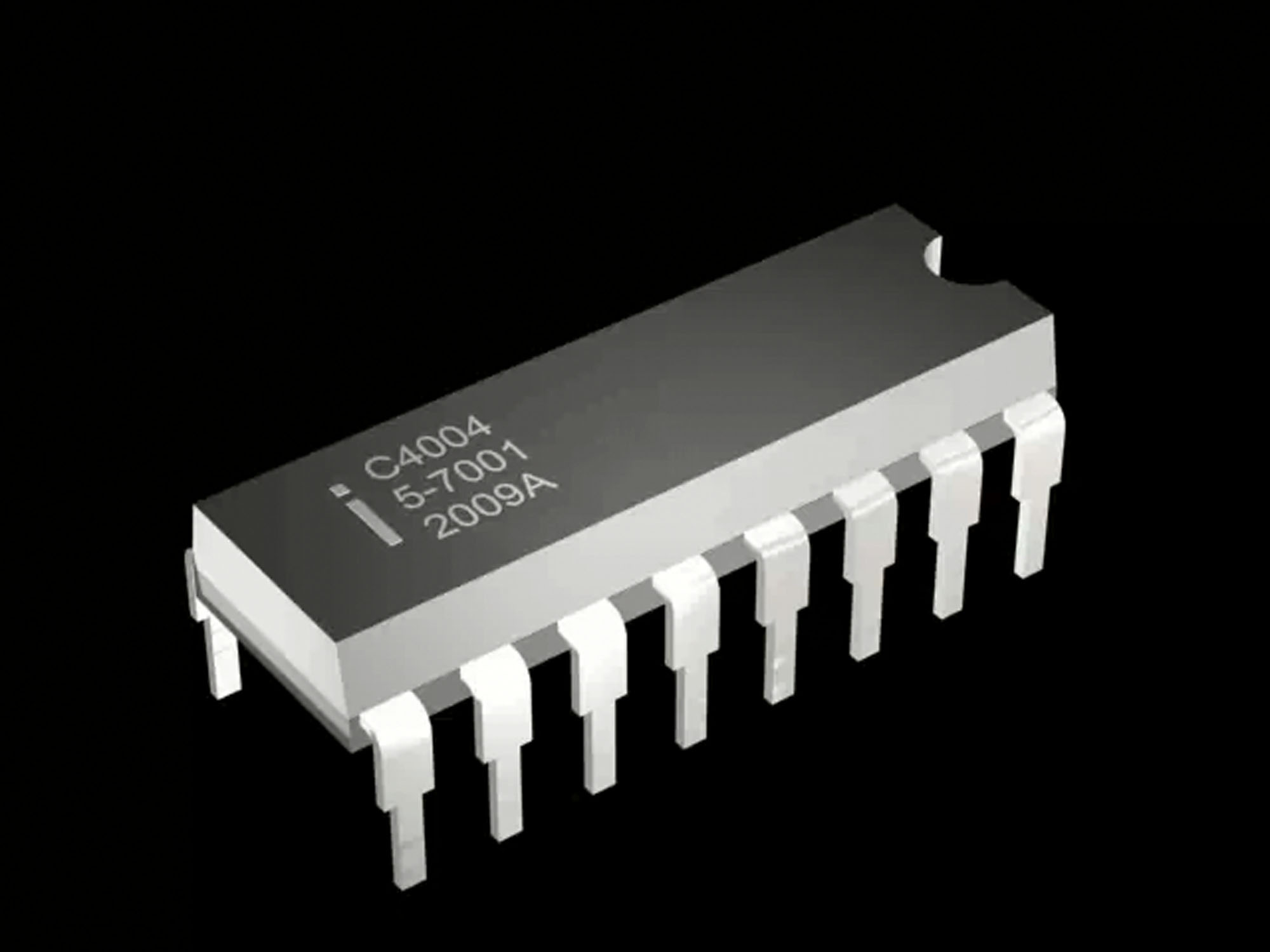
Let's go inside an Intel 4004 microprocessor to see an individual transistor
|
Jul 24, 2017 |
|
To make this transistor, first oxide then nitride layers are grown
|
Jul 24, 2017 |
|
A shadow mask then exposes a photographic emulsion
|
Jul 24, 2017 |
|
Exposed nitride is then etched away
|
Jul 24, 2017 |
|
Oxygen reacts with the Si to grow more oxide
|
Jul 24, 2017 |
|
By heating in silane, polycrystal Si is then grown
|
Jul 24, 2017 |
|
A stripe is exposed in a second photographic emulsion
|
Jul 24, 2017 |
|
Exposed polycrystal Si is etched away leaving the transistor gate
|
Jul 24, 2017 |
|
Phosphorus ions then penetrate thin oxide to create the source and drain
|
Jul 24, 2017 |
|
Heating in oxygen grows an insulating coat on the gate
|
Jul 24, 2017 |
|
A third photographic emulsion defines windows above the source and drain
|
Jul 24, 2017 |
|
Openings are then etched in the exposed oxide
|
Jul 24, 2017 |
|
Metal is sprayed on to the surface
|
Jul 24, 2017 |
|
A fourth photographic emulsion is patterned
|
Jul 24, 2017 |
|
Unwanted metal is etched away completing the transistor
|
Jul 24, 2017 |
|
And finally, here is the circuit symbol for the transistor
|
Jul 24, 2017 |
|
This podcast is drawn from the Virtual Lab presentations of
WeCanFigureThisOut.org. The copyrighted material of this site
was developed under funding from National Science Foundation
CCLI, NIRT, MRSEC and NUE programs. This project is led by John C. Bean
|
Jul 24, 2017 |
|
All of the scenes together
|
Jul 24, 2017 |